Fear is one of the most powerful drugs ever invented.
3 John 1:2 Beloved, I wish [pray] above all things that thou mayest prosper and be in health, even as thy soul prospereth.
Luke 12:32 Fear not, little flock; for it is your Father’s good pleasure to give you the kingdom.
Philippians 4:6 Be careful [Alt: Be anxious] for nothing; but in everything by prayer and supplication with thanksgiving let your requests be made known unto God.
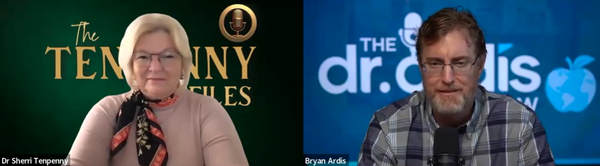
Hopefully, the short video on X yesterday gave us food for thought. This morning we received an insightful essay on this same timely topic from Dr. Robert Malone. In our estimation it is right on target.
Here are a few paragraphs from his post, followed by the link to the complete essay.
QUOTE: Unlike antibiotics or antivirals, it requires no FDA approval, no manufacturing plant, and no cold-chain shipping. Fear spreads itself. All it takes is a headline, a few experts on television, ominous music behind a news segment, and suddenly millions of people begin scanning their bodies for symptoms they did not know they had ten minutes earlier.
Psychological Bioterrorism is the weaponization of fear about disease in order to manipulate individuals, populations, markets, and governments. Sometimes the objective is political. Sometimes financial. Sometimes bureaucratic. Often, it is all three at once.
This is not a conspiracy theory. It is a recognized form of psychological warfare. We have written about it extensively in our book Psywar.
In that book, we write about Dr. Alexander Kouzminov, a former Soviet-Russian intelligence officer with deep experience in biological espionage and biosecurity operations, who in 2017, described how fear of infectious disease can be strategically amplified to shape public behavior, influence governments, and create opportunities for those positioned to benefit from the panic. That process is called psychological bioterrorism.
Once you understand the framework, you start seeing the pattern everywhere. A virus or some other pathogen emerges somewhere in the world. The media shifts into apocalyptic mode. Experts appear to be predicting catastrophe.
Computer models project millions dead, if the right circumstances coalesce. Politicians declare emergencies. Pharmaceutical companies announce new products. Social media turns into a digital panic attack. And ordinary people, who just wanted to buy eggs and walk the dog, suddenly feel like civilization is one cough away from collapse.
Wash. Rinse. Repeat…
Psychological bioterrorism succeeds because it simultaneously creates four powerful emotional conditions…
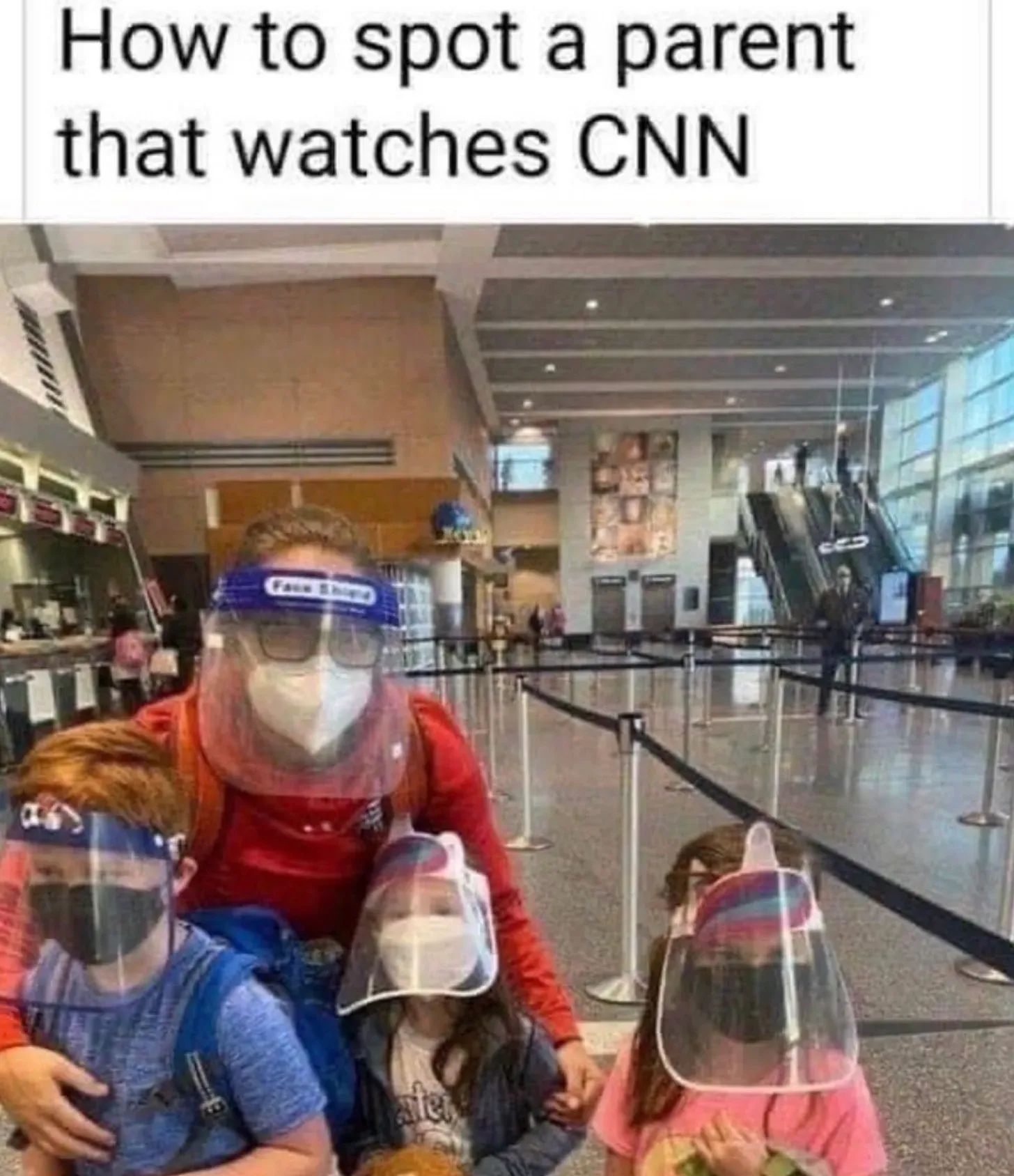
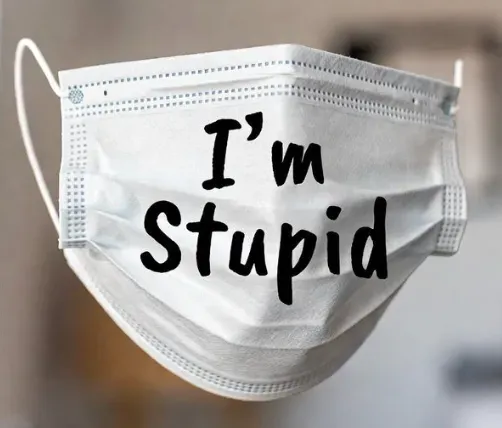
And fourth, social pressure. Once fear takes hold, compliance becomes a kind of tribal ritual. Masks, distancing, endless boosters, disinfecting groceries, standing on little floor stickers six feet apart like contestants in a strange game show.
Many of these behaviors become symbols of belonging as much as they do of actual disease mitigation…
One of the more fascinating aspects of these cycles is how often speculative language is transformed into emotional certainty. Watch closely, and you will notice the repeated use of phrases like “could spread,” “may mutate,” “might become severe,” or “has pandemic potential.”
Scientifically, these statements may be technically true. Almost anything in biology is possible. But psychologically, the public often processes those phrases as though catastrophe is inevitable. That shift in language matters enormously…
Fear also creates social cohesion around compliance behaviors. During COVID, entire rituals emerged around masking, distancing, sanitizing groceries, vaccination, and public displays of “doing the right thing.” Some interventions may have had a partial benefit. Others bordered on theater…
A society permanently trapped in hypervigilance eventually loses the ability to distinguish genuine emergencies from manufactured panic. And that may be the greatest long-term danger of all…
The challenge moving forward is not to become fearless. The challenge and opportunity is to become harder to manipulate. END QUOTE
Here is the link to Dr. Malone’s complete essay.
~END~