Chapter 6, Section 4: The Unreliability of the Sinaiticus and Vaticanus Manuscripts
Which Bible, Which Version?
We are still in the process of helping our readers become familiar with the subject of Bible manuscripts—and we are on the final segment of that. All of this is so the reader will appreciate the next chapters which detail how “certain men crept in
Chapter 6, Section 3: Sinaiticus Denies the Central Tenet of Christianity
Which Bible, Which Version?
To segue from the previous installment in this series, allow me to repeat the last sentence.
Before I close this section, which has been meant to familiarize you with Codex Aleph, I want to discuss what is perhaps one of the strongest threats to the Christian
Chapter 6, Section 2: The Woman Caught in Adultery
Which Bible, Which Version?
We left off in yesterday’s installment, with this: Consider this excerpt from The Secrets of Mount Sinai, which reveals not only James Bentley’s bias, but also reveals a very telling fact about Westcott and Hort. All emphasis mine.
QUOTE: When Westcott became bishop of
Chapter 6, Section 1: Bogus “Families” of Bible Manuscripts
Which Bible, Which Version?
Do you remember in a previous part of this series where I issued my disclaimers about the alleged “families” of manuscripts? I stated that I was only using that term for convenience sake in trying to communicate complex material to readers in a more easily understood
Chapter 6, Section 1: Bogus “Families” of Bible Manuscripts
Which Bible, Which Version?
Do you remember in a previous part of this series where I issued my disclaimers about the alleged “families” of manuscripts? I stated that I was only using that term for convenience sake in trying to communicate complex material to readers in a more easily understood
Chapter 5, Section 4: “Connie Tisch” and Codex Aleph
Which Bible? Which Version?
Or we could entitle this section: Did God leave His church with only corrupted manuscripts for 18 centuries?!
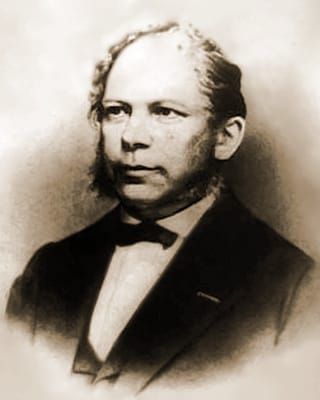
Constantin Tischendorf was a man of immense ego, and he lashed out viciously with his pen at anyone who threatened his primacy in the world of textual scholarship.
Chapter 5, Section 3: The Devious and Duplicitous Constantin Tischendorf
Which Bible? Which Version?
There are numerous other examples I could cite and continue on about how the higher critics try to discredit Yahweh’s Word, but I will let one more suffice, and then I will get back to Constantine Tischendorf.
This one is important because of the news
Which Bible? Which Version? Part 17
Ephesians 6:11 Put on the whole armour of God, that ye may be able to stand against the wiles of the devil.
With no lack of space in the internet realm, I feel free to expand a bit more on certain, vital aspects
Chapter 5, Section 1: My Higher Critic Latin Mentor
Which Bible? Which Version? Part 16
Because of the vital importance in this subject of Bible versions, we are still presenting some basic information and historical details about the various streams and families of Bible manuscripts.
We left off in the previous installment explaining the differences between the lower critics